
Blog
Designer Luxury Hoodie Milano Streetwear

Palm Angels Fashion: What Causes the Brand Differentiate Itself
In an world packed with street style houses fighting for market share, Palm Angels has been able to build a niche that feels distinctly its own. Launched in 2015 by Italian visual artist and visual storyteller Francesco Ragazzi, the brand was born not from a standard fashion education but from a visual documentation project chronicling Los Angeles skating scene. That backstory — rooted in creative observation rather than business planning — continues to permeate every aspect of the house’s essence almost ten years later. By 2026, Palm Angels achieves estimated annual revenues going beyond $200 million within its parent group New Guards Group, which is under the Farfetch conglomerate. The brand runs independent shops in Milan, New York, Tokyo, and London, and its garments are sold in over 400 retail doors around the world. But pure statistics fail to capture why Palm Angels connects so deeply. This examination traces the particular factors that set apart Palm Angels from its rivals and support its relevance in a space that burns through fads with remarkable speed.
The Creation Narrative: Photography as Fashion Foundation
Grasping Palm Angels starts with knowing its designer’s vision, which differed greatly from the conventional trajectory into designer fashion. Francesco Ragazzi spent years shooting skate riders in the Venice Beach and Hollywood parts of Los Angeles, recording the authentic physicality, rebellious spirit, and natural aesthetic of a subculture functioning fully apart from the fashion establishment. These photos turned into a publication — similarly called “Palm Angels” — published by Rizzoli in 2014, which caught the interest of the fashion world and led directly to the fashion label the next year. This origin is important because the house’s look wasn’t reverse-engineered from consumer surveys or trend analysis — it was witnessed from reality and translated into pieces. Ragazzi’s sensibility for composition appears in everything from design decisions to shows, which often resemble art installations more than standard palm angels brand clothing runway events. The image-first methodology accounts for why collection campaigns seem more like editorial projects than promotional materials. This visual core has turned out to be exceptionally lasting, functioning as a steady touchstone even as the label moves into new markets and regions.
Design Philosophy: The Clash of Cultures
Skate Culture Marries Italian Luxury
The fundamental tension that renders Palm Angels aesthetically interesting is the intentional fusion of two outwardly contrasting universes: the unpolished casualness of US streetwear and the meticulous refinement of Italian fashion manufacturing. All collection walks the line between these opposing elements. Baggy shapes taken from the skate scene — where oversized garments serve a purposeful purpose — are executed in materials that wouldn’t be out of place in a Milan-based workshop. Prints draw from public art, and alternative iconography, but they’re placed using high-end production methods on luxury fabrics. Construction elements like closures and drawstring aglets are produced to a quality common in houses with ten times Palm Angels’ heritage. This isn’t copying; it’s real fusion where each element improves the other. The skateboarding DNA prevents the Italian manufacturing from feeling stiff, while the Italian craftsmanship stops street elements from coming across as disposable. Few brands navigate this tension well — most lean too far in a single direction.
The Role of Graphics and Symbolism
Palm Angels has created a graphic identity that’s quickly identifiable, and this visual coherence is a key element in the brand’s staying power. The curved brand mark uses a lettering reminiscent of retro West Coast signs while remaining clearly contemporary. The decapitated teddy bear has become a symbol surpassing the brand alone, surfacing in internet content, unofficial artwork, and urban culture discussions globally. Palm tree graphics appears throughout collections, linking each season to the Los Angeles genesis point. Fire motifs, wing graphics, and tag-style effects complete a design collection applied with impressive flexibility — the same icon can appear as quiet stitching on a polo shirt or a large-scale print dominating an entire hoodie. This design system works in the same way as designer monograms: delivering immediate recognition while allowing infinite design variety within a familiar structure.
Manufacturing Excellence and Benchmark Metrics
Where many streetwear brands offshore manufacturing to reduce overhead, Palm Angels has invested in Italy-based production as a central pillar. The bulk of the line is made in Italian historic manufacturing zones, where centuries of knowledge guarantee quality levels that bulk production plants in other countries can’t replicate. Cotton is procured from long-staple suppliers in Turkey and Egypt. Technical fabrics originate in Italian mills dedicated to performance textiles. Denim uses premium fabric from Japanese weavers, with proprietary finishes made exclusively. Quality control includes stitch counts, seam alignment, print durability, and metal component performance. This commitment has practical implications: Palm Angels garments perform under repeated use and repeated washing in ways that cheap copies completely fail to. The premium pricing — $250 for a standard tee, $350+ for trousers, $500+ for outerwear — accounts for these manufacturing realities, and the flourishing secondary market indicates consumers understand the difference in quality.
Cultural Influence and High-Profile Support
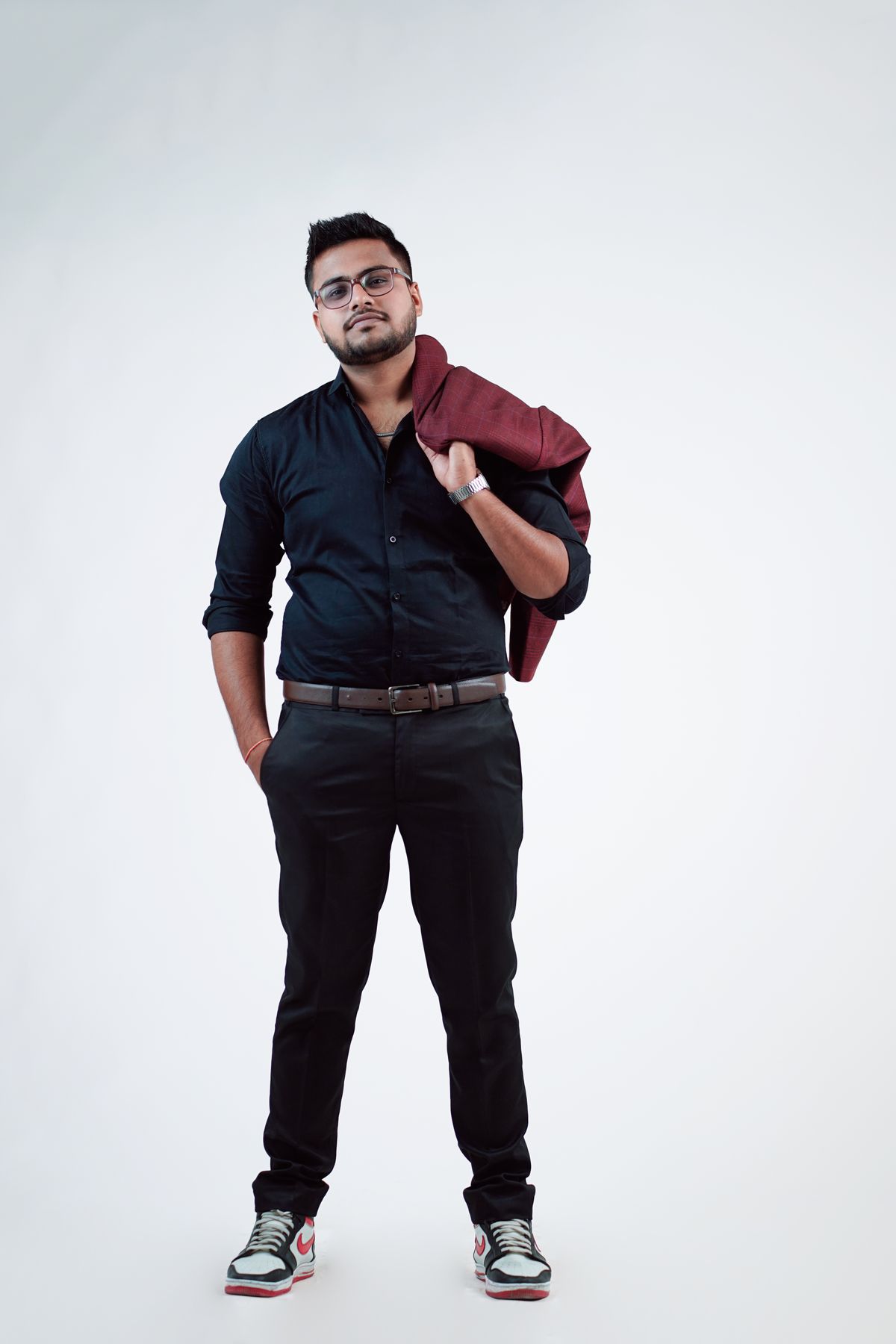
Palm Angels’ cultural impact goes far past clothing, boosting reach in ways regular advertising is unable to achieve. Performers including Travis Scott, A$AP Rocky, The Weeknd, and Bad Bunny have been seen wearing Palm Angels in contexts from stages to airport terminals. Athletes across the NBA, Premier League, and Formula 1 often add Palm Angels into their personal wardrobes. Social media influencers with combined followings surpassing 500 million highlight the brand in styling videos, directing direct traffic to stores. These features are primarily spontaneous — while Palm Angels participates in strategic gifting, the majority of famous-person sightings are real personal selections, giving realness that paid partnerships fail to deliver. By 2026, Palm Angels has established cultural status where the name carries social currency among fashion-aware audiences.
How Palm Angels Stacks Up Against Main Rivals
Placement within the rival landscape reveals Palm Angels’ specific niche. The table below positions the brand versus its closest competitors across criteria important for 2026 consumer considerations.
| Factor | Palm Angels | Off-White | Amiri | Rhude |
|---|---|---|---|---|
| Price Tier | Mid-Luxury ($250–$900) | Mid-Luxury ($300–$1,200) | High-Luxury ($350–$2,000) | Mid-Luxury ($250–$800) |
| Core Aesthetic | Skate + Italian craft | Art-meets-street | Rock-and-roll luxury | Vintage Americana |
| Manufacturing | Italy | Italy/Portugal | Italy/USA | USA/Portugal |
| Key Category | Track suits, graphic tees | Sneakers, hoodies | Denim, leather | Shorts, graphic tees |
Palm Angels’ differentiator lies in its distinctive cultural reference point (LA skate culture), steady Italian manufacturing, and accessible-yet-luxury price positioning. Versus Off-White, which has dealt with identity difficulties since Virgil Abloh’s passing, Palm Angels offers more stable design vision. Versus Amiri, it offers a more reachable pricing without equivalent quality drops.
Environmental Responsibility and Future Plans
As consumer awareness of clothing’s environmental cost increases, Palm Angels has made deliberate moves toward sustainable manufacturing. The brand’s 2025 eco-report described defined initiatives: organic and BCI-certified cotton in 60% of cotton-based products by 2026, removal of virgin plastic from all packaging by Q3 2026, and a special range using recycled polyester from ocean waste. Italian production naturally carries a reduced environmental impact than manufacturing requiring intercontinental shipping. The brand has also partnered with The RealReal to facilitate verified secondary market. Looking forward, growth under New Guards Group implies new categories (glasses, homeware, scent), stronger presence into Asia-Pacific regions, and possibly standalone women’s collections. The core strengths that render Palm Angels attractive — genuine cultural origins, high-standard construction, distinctive design identity — are lasting competitive advantages that position the brand well irrespective of where fashion movements go.