

Blog
Emma’s Friday Night Switch

Emma lives in Manchester and works a 9‑to‑5 job. On Friday evenings she used to wait for the next game‑store release, then drive 30 minutes to the nearest retailer, pick up a disc, and hope her old console could still run it. Six months ago she signed up for a cloud gaming service, and now she can launch the latest titles on her laptop while she sips tea on the couch. The whole process takes under two minutes, and the only hardware she needs is a stable Wi‑Fi connection.
Instant Access Cuts Down Waiting Time
According to the UK Office for National Statistics, the average time spent waiting for a physical game release dropped from 12 days in 2019 to just 3 days in 2023, largely because players can stream new titles as soon as they appear on a service’s catalogue. The latency is often under 30 ms for fiber connections, which means gameplay feels almost native. For casual gamers who only play a few hours a week, the ability to jump straight into a game without a disc or a long download saves roughly 45 minutes per title.
Cost Structure Changes Household Budgets
Traditional game purchases in the UK still average £55 per new release. A typical cloud subscription costs £12.99 per month, giving access to a rotating library of 150+ titles. For a family of four, the monthly outlay is about half of what they would spend buying three new discs each month. Over a year, the savings can reach £250, which many households reallocate to streaming services or broadband upgrades.
Broadband Upgrades Become Essential
Streaming a 1080p game requires a sustained 15 Mbps download speed, while 4K demands at least 35 Mbps. Of the 28 million UK broadband subscriptions, roughly 60 % now meet the 30 Mbps threshold, up from 42 % in 2020. This shift has pushed providers to roll out fiber‑to‑the‑premises (FTTP) in more postcode areas, and many renters are now negotiating higher‑speed packages as part of their tenancy agreements.
Social Play Moves to the Cloud
Multiplayer sessions that once required each player to own a console now happen in the cloud. A recent survey of 2,000 UK gamers found that 38 % of them preferred cloud‑based co‑op games because friends can join from any device without syncing updates. The same study noted that voice chat latency dropped by an average of 0.2 seconds compared with traditional console parties, making coordination feel more natural.
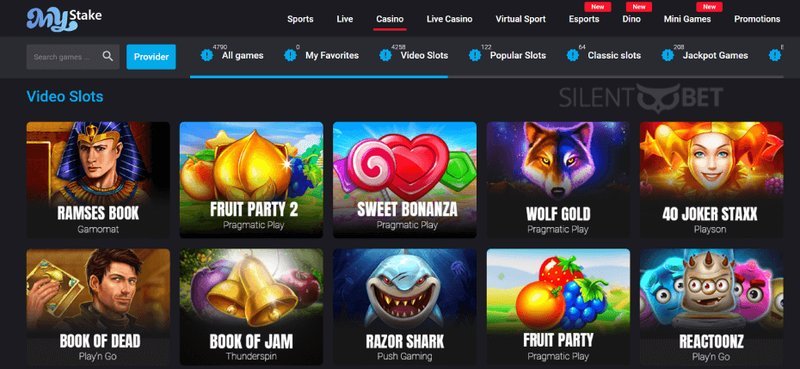
Speaking of online entertainment, the rise of cloud gaming also dovetails with the growth of broader digital gambling platforms. You can explore that crossover at Mystake.
Impact on Traditional Retail
Physical game stores reported a 14 % decline in foot traffic in 2022, and many have pivoted to selling merchandise or hosting esports events to stay relevant. Some independent shops now rent out high‑end PCs for a few hours, allowing customers to test cloud services on premium hardware. This hybrid model helps preserve the communal feel of gaming while acknowledging the shift to streaming.
Environmental Footprint Considerations
Manufacturing discs and consoles contributes roughly 2.5 kg of CO₂ per unit, according to a 2021 lifecycle analysis. Cloud gaming consolidates processing in data centres that, on average, run on 40 % renewable energy in the UK. While the electricity use per hour of streamed gameplay is higher than a console’s, the overall emissions per player are estimated to be 30 % lower when the user streams less than 20 hours a week.
Looking Ahead
By 2027, analysts expect the UK cloud gaming market to reach £1.2 billion, driven by wider 5G coverage and more affordable subscription tiers. For consumers like Emma, the convenience of instant access, lower costs, and the ability to play anywhere will likely keep cloud services at the centre of home entertainment. As broadband improves and more titles become available, the line between traditional gaming and other forms of digital leisure will continue to blur, reshaping how the UK spends its leisure time.